By: Chelsea Gonzalez
What do you do when a pediatric patient walks into your clinic? Aren’t kids just little adults? They’ll just grow and be fine right?
It is no surprise that most hand therapy clinics cater to the adult population. The set-up, equipment, and process of a typical hand therapy clinic assumes a client can independently navigate and complete therapist-directed exercises a majority of the time. So, when a pediatric client walks in the door, the culture of the clinic must change to match the interests and abilities of the child/teen.
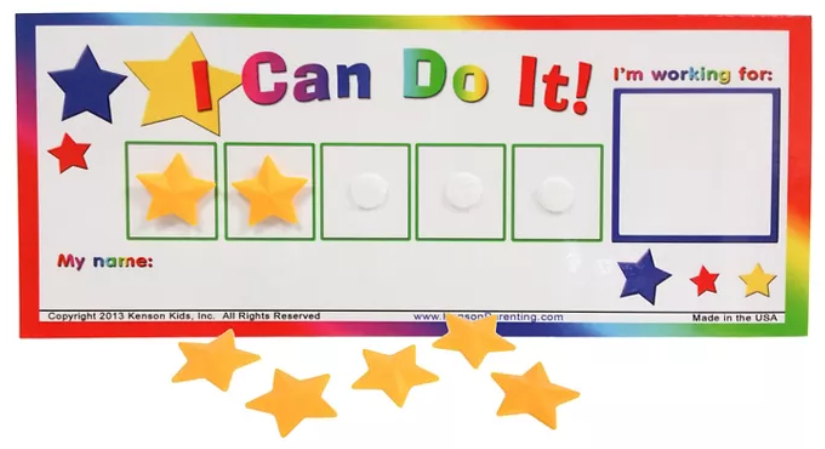
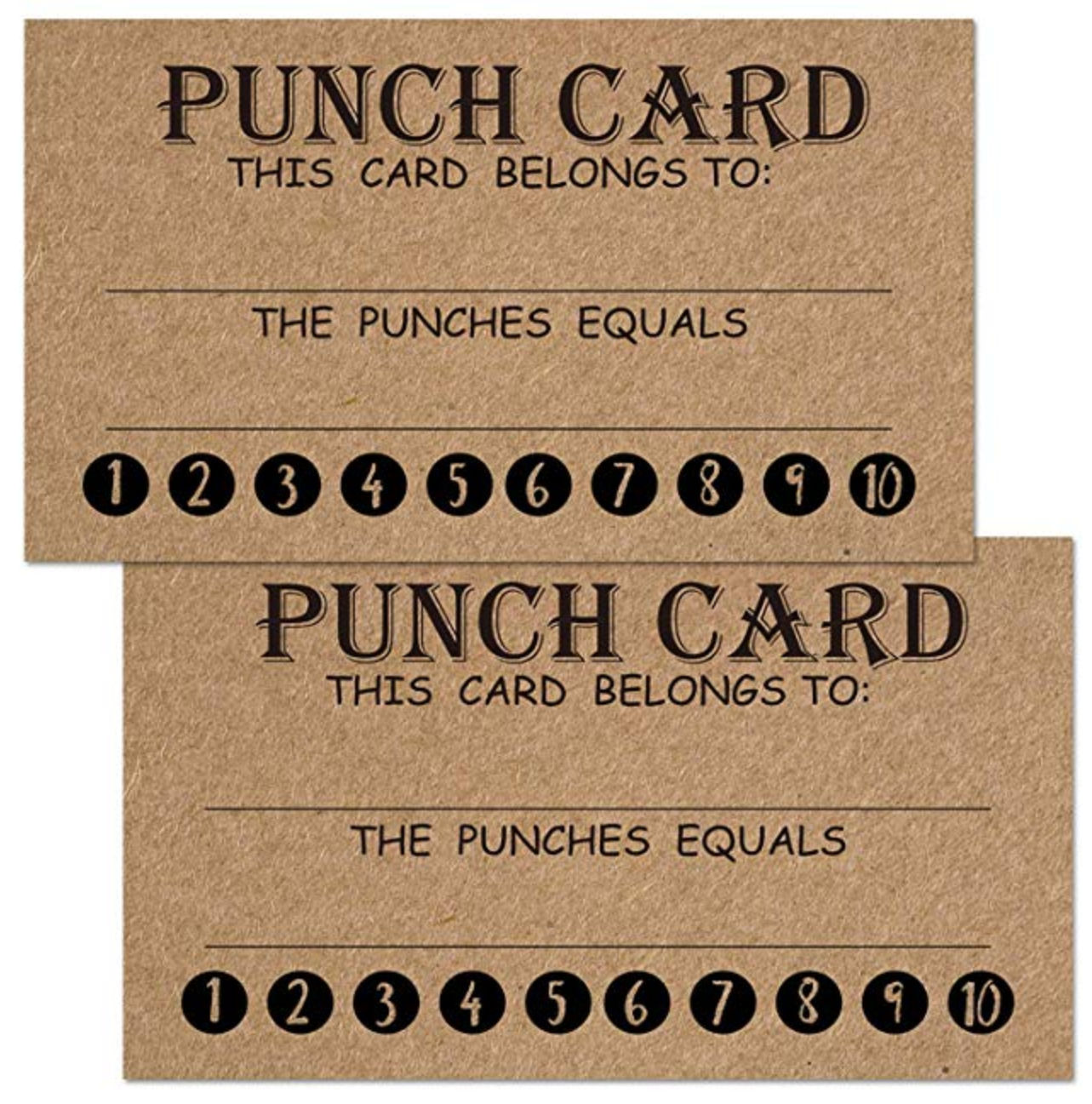
Pediatrics in hand therapy is also very important. Children are not just small adults. Their musculoskeletal set-up is still growing and developing, and their interests tend to be more extrinsically motivated than adults, which means they require incentives, rewards, or fun to capture their attention and persuade them to participate. Kids learn best when having fun, so incorporating sticker/token charts for task completion or allowing kids the chance to earn rewards during therapy sessions (similar to a restaurant punch card) are tried and true methods of motivating kids to work towards goals.
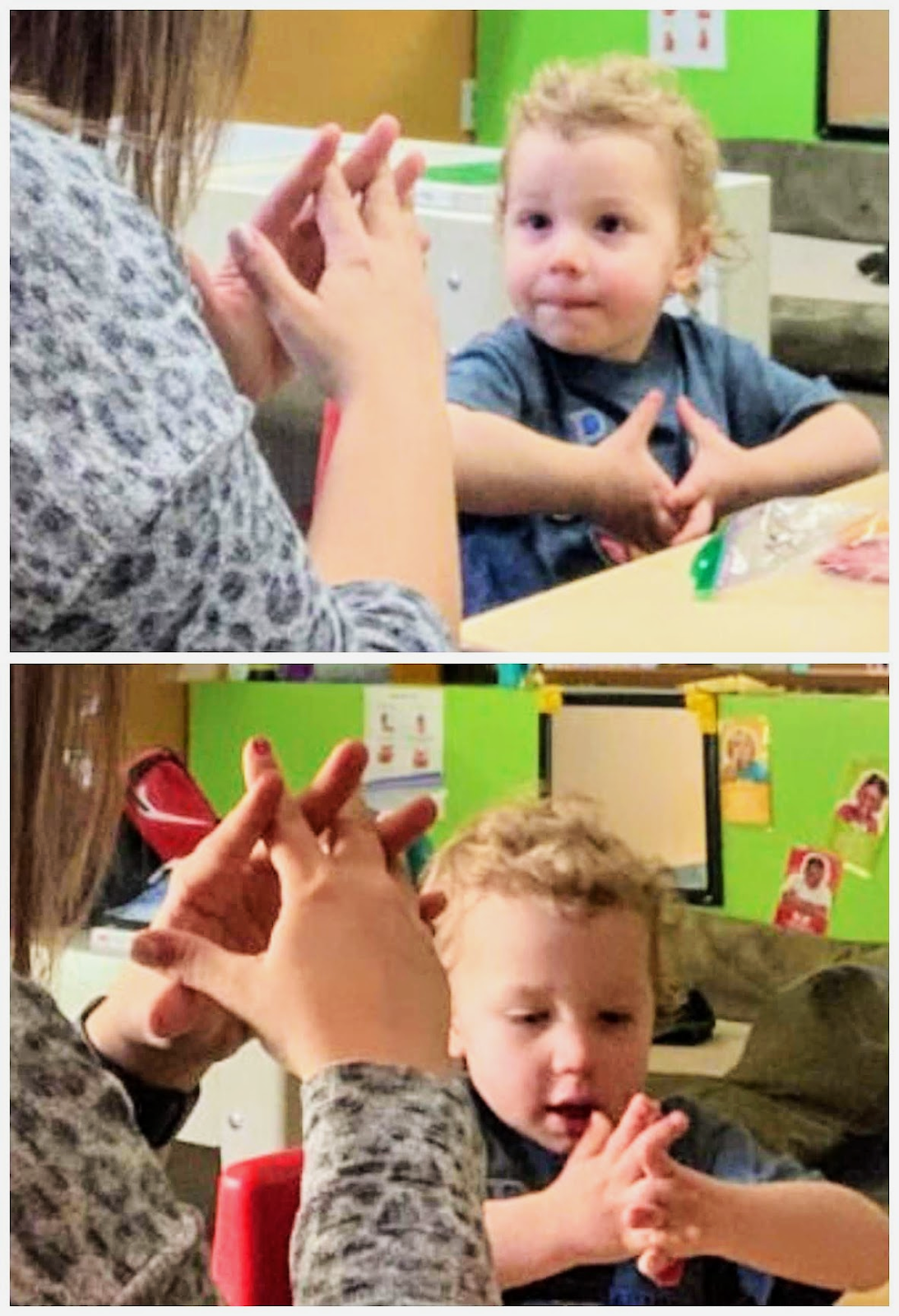
No matter the condition, almost all pediatric hand injuries will be attending therapy for stretch, massage and strengthening. Making kiddos feel like they are a part of the therapy process, particularly for stretch & massage, helps keep the child’s attention while allowing you the time to reduce scar adherence, prevent contractures, or break up soft tissue injuries.
- My ideas for making stretch & massage fun & interactive include:
- playing with large beads (bonus: tactile input!)
- playing Simon Says or Follow the Leader for stretches
- drawing dots (with washable marker) on their arm/hand/shoulder where will be stretched
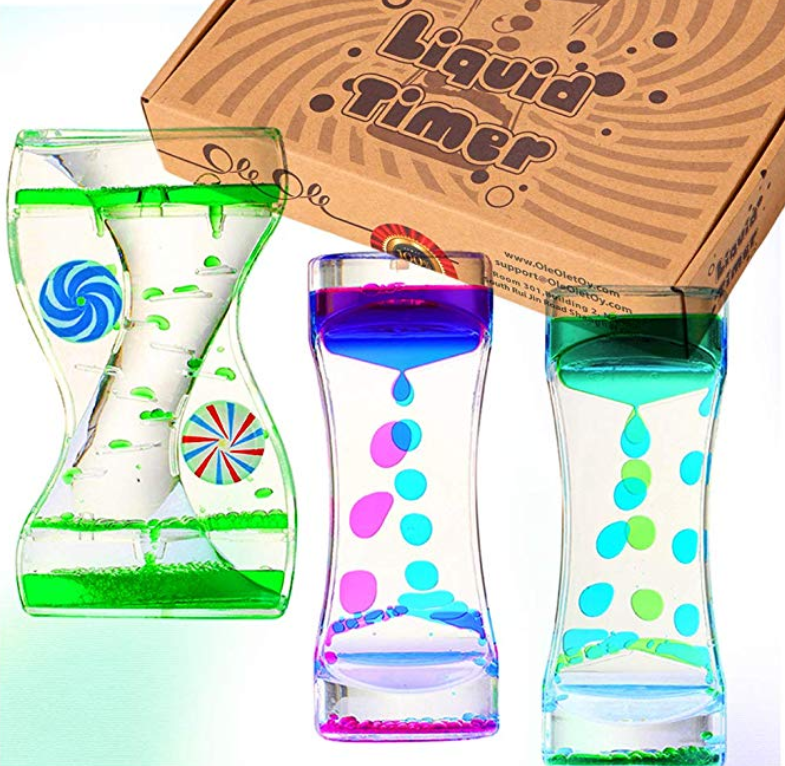
- letting the kiddo control an interactive timer so they feel involved
- squeezing/pinching playdough, putty or Floam (bonus: power grasp strengthening!)
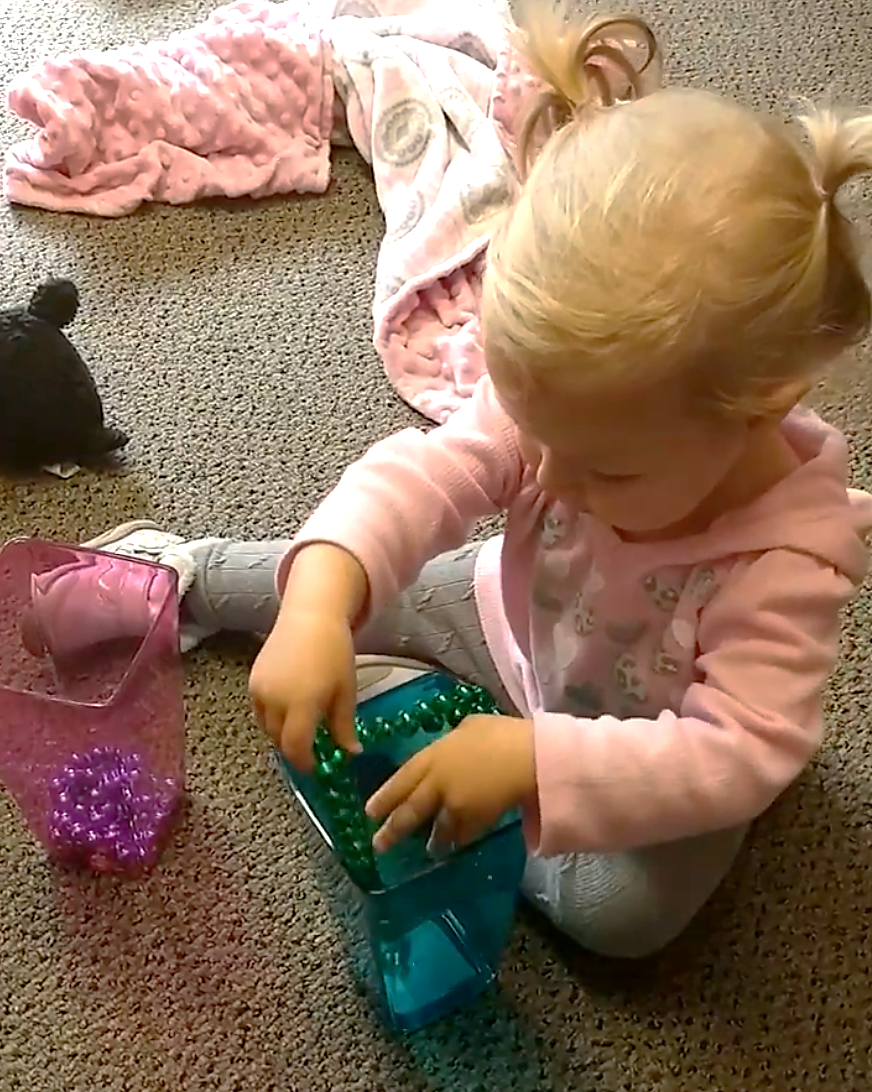
- Strengthening exercises should also be made into games and incorporate fun! Some of my favorite fine & gross motor strengthening activities that are easy to complete in a hand clinic are:
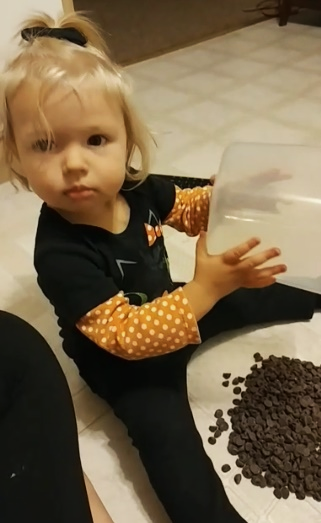
- pouring from large containers using both hands to build upper body strength
- scooter boards for shoulder & scapula stability training
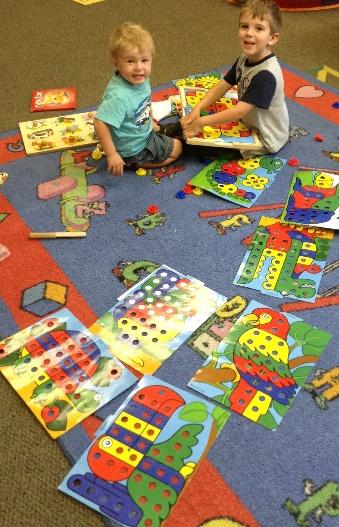
- hexagon peg puzzle boards for intrinsic hand strengthening
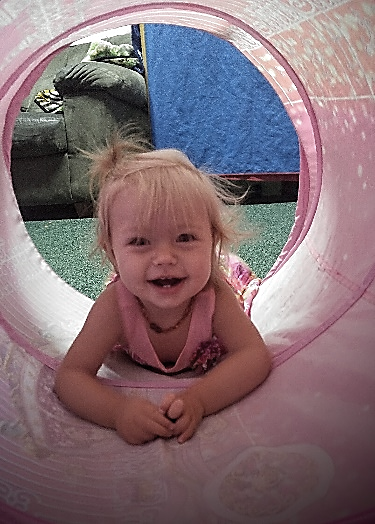
- tunnels for shoulder and elbow weight bearing
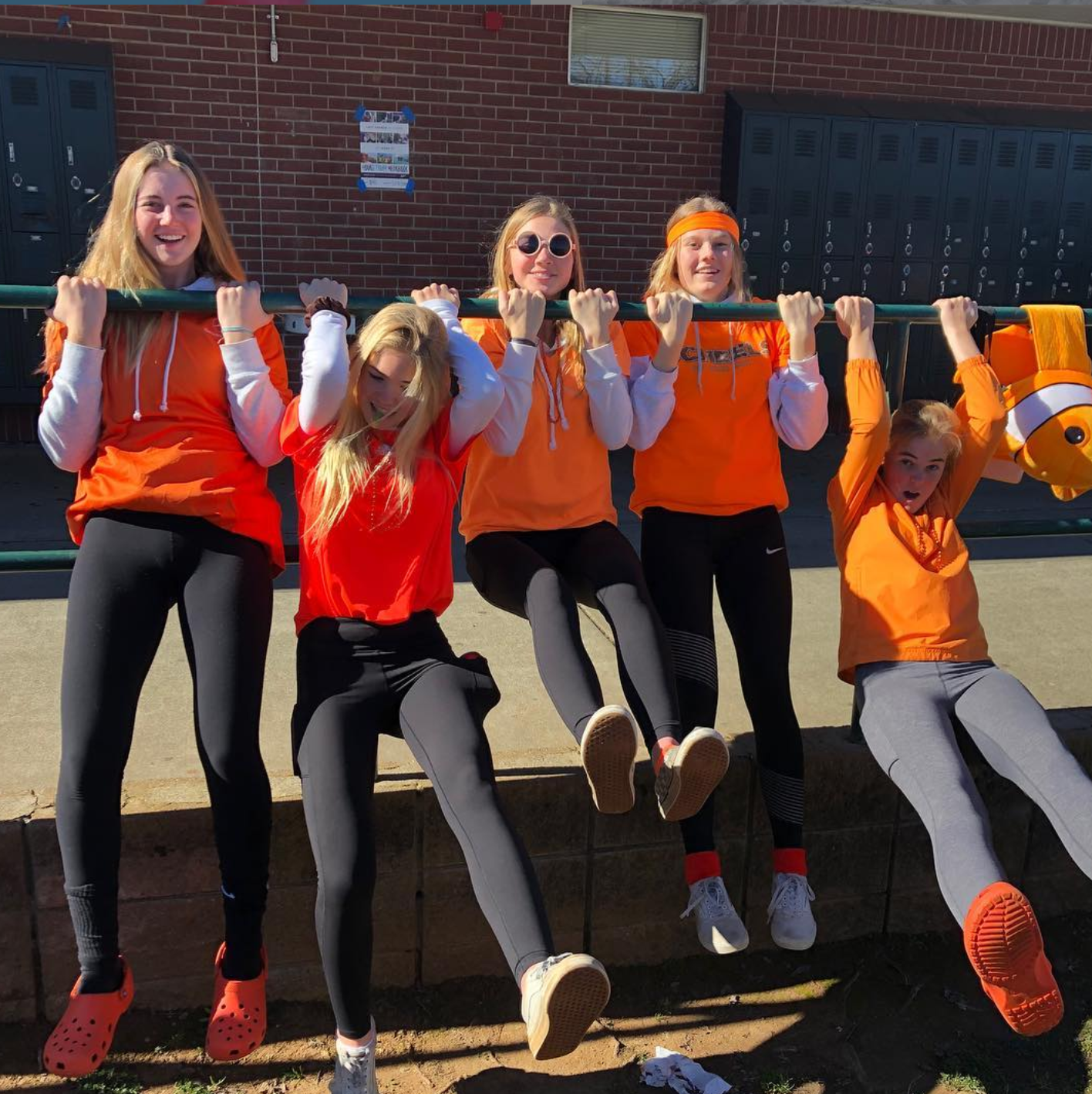
- for older kids, playing games or making competitions with kids of the same age/ability (holding, lifting, tossing, placing, etc.)
- bowling with medicine balls for bilateral upper extremity strengthening
- money origami for fine motor and intrinsic strengthening
A few other great resources for adding play to hand therapy:
- Pages 15-19 of Mary Benbow’s book Neurokinesthetic Approach to Hand Function & Handwriting, available for preview through Clinician’s View, offers a plethora of game & activity ideas organized by upper extremity region: https://www.clinicians-view.com/University/PDF/HF01/HF01TextPreview.pdf.
- Also see our previous blog post about the Top 5 Hand Therapy Toys for Kids: https://www.handtherapyacademy.com/treatments/top-5-hand-therapy-toys-to-for-kids/ for inspiration on simple additions that make big changes in welcoming kids into a hand therapy setting.
Big Concept: Little hands are important too! If you support kids as they grow & heal, and you make it fun to do so, you increase the chance of strong upper body function throughout the kiddos’ lifetime.
Resources
Punch card reward: https://www.amazon.com/Cards-Incentive-Classroom-Incentive-Reinforcement-Customers/dp/B07LFH5Y3Z/ref=asc_df_B07LFH5Y3Z/?tag=hyprod-20&linkCode=df0&hvadid=312099652290&hvpos=1o9&hvnetw=g&hvrand=10511650479208070305&hvpone=&hvptwo=&hvqmt=&hvdev=c&hvdvcmdl=&hvlocint=&hvlocphy=9029981&hvtargid=pla-623287524379&psc=1
Liquid motion bubbler timer: https://www.amazon.com/Pack-Liquid-Motion-Bubbler-Timer/dp/B07D717SCW
More To Read
Occupation Based Interventions in Hand Therapy
Keeping Occupation Based Interventions in Hand Therapy By: Tristany Hightower Are your treatments occupation based? Do you tailor your activity choices to fit the needs of each patient? As occupational therapists, we should be specialists in creating goals and interventions that are directed at returning our patients to meaningful occupations. Too often, hand therapy can…
Read More
Tennis Elbow and Graded Exercises
Lateral Elbow Pain with Graded Exercise Chronic tennis elbow with a supervised graded exercise protocol Özdinçler, A. R., Baktır, Z. S., Mutlu, E. K., & Koçyiğit, A. (2023). Chronic lateral elbow tendinopathy with a supervised graded exercise protocol. Journal of Hand Therapy, 36(4), 913–922. https://doi.org/10.1016/j.jht.2022.11.005 The Skinny: This study looked at the effectiveness of an…
Read More
Sesamoid Bones: What are they and what do they do?
By Brittany Carrie A Student’s Perspective During the first few weeks of my rotation, I was exposed to many new and exciting things that I had not been exposed to in the classroom setting. I observed and helped treat patients who had undergone severe trauma from lacerating tendons to complete amputations, saw different splinting techniques,…
Read More
Vagus Nerve Stimulation (VNS) for Various Etiologies
What is it: Vagus nerve stimulation (VNS) is a medical treatment that uses a device to deliver electrical impulses to the vagus nerve, which runs on both sides of the body from the lower brain through the neck to the chest and stomach. The left vagus nerve is typically used for this procedure, as simulating…
Read More
Sign-up to Get Updates Straight to Your Inbox!
Sign up with us and we will send you regular blog posts on everything hand therapy, notices every time we upload new videos and tutorials, along with handout, protocols, and other useful information.