5 return-to-cooking activities (that don’t require a kitchen)
Filed under Treatments
Hand therapy can and should be very occupation-based. Every week, we hear comments from patients that back that statement up:
“I need to get back to work”
“I just want to golf again”
“I can’t even open a water bottle”
“My spouse has to do all of the cooking”
Although standard exercises are helpful, it’s critical to add in functional activities that empower clients to get back to the things that they love in life.
As part of an occupation-based plan of care, it is important for us to help our clients identify key occupations. A very popular one being Cooking!
But, most hand therapists don’t have access to a kitchen in their clinic. To help improve the client’s return to daily activities and IADLs, here are 5 occupational therapy cooking activities for adults, that don’t require a kitchen.
- Theraputty (Turning) Tools: Theraputty tools can be used to simulate many functional activities (therapeutic cooking activities)! Including: opening a water bottle top or a tight jar lid. Try adding these ‘turning’ tools into your patient’s next session if they have grip strength limitations keeping them from the kitchen!
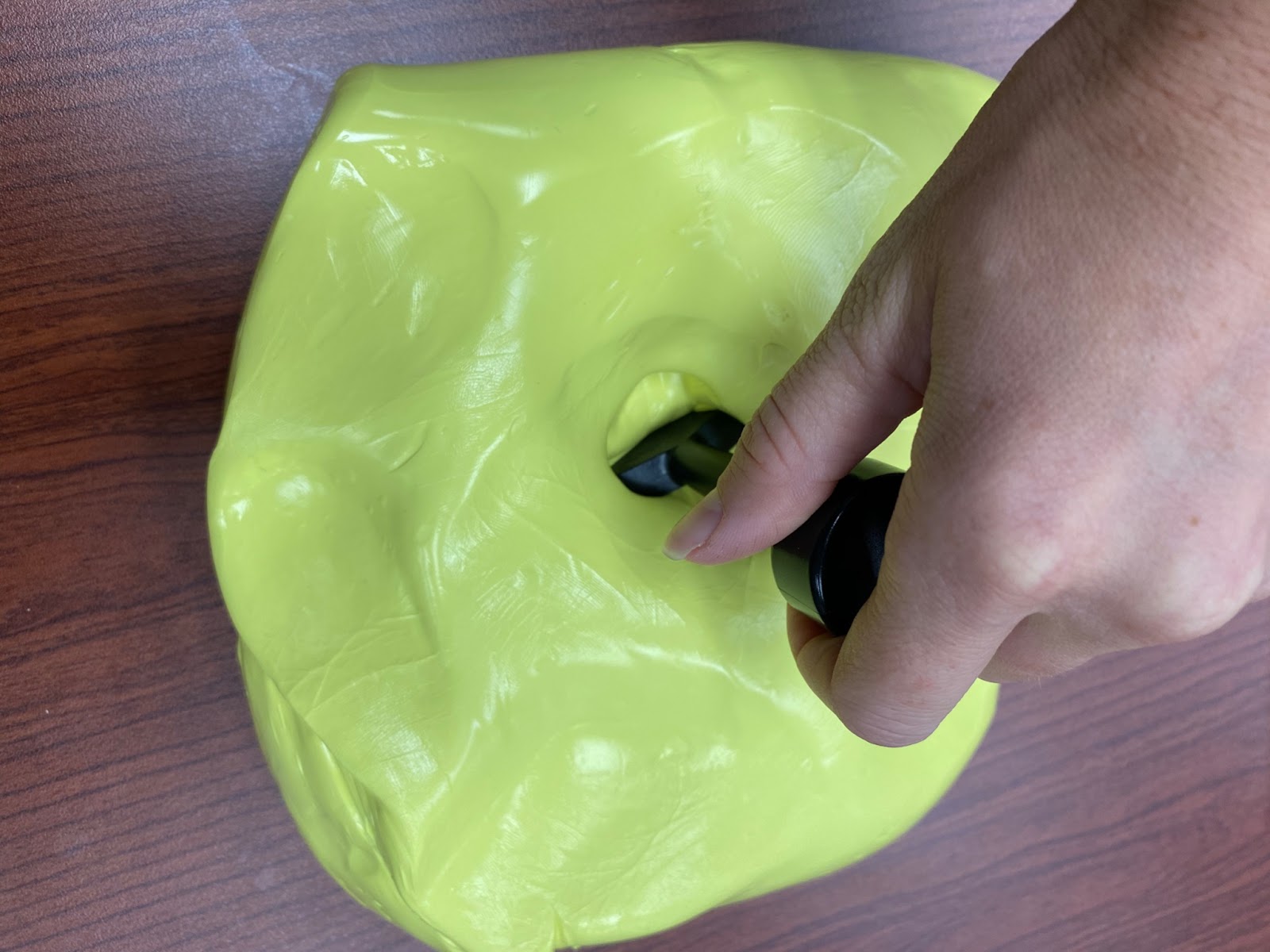
Side Note: Be sure to explain what these tools are targeting. Helping your client to connect the dots between their theraputty exercises and finally making their favorite recipe again can improve their motivation and engagement in the task at hand.
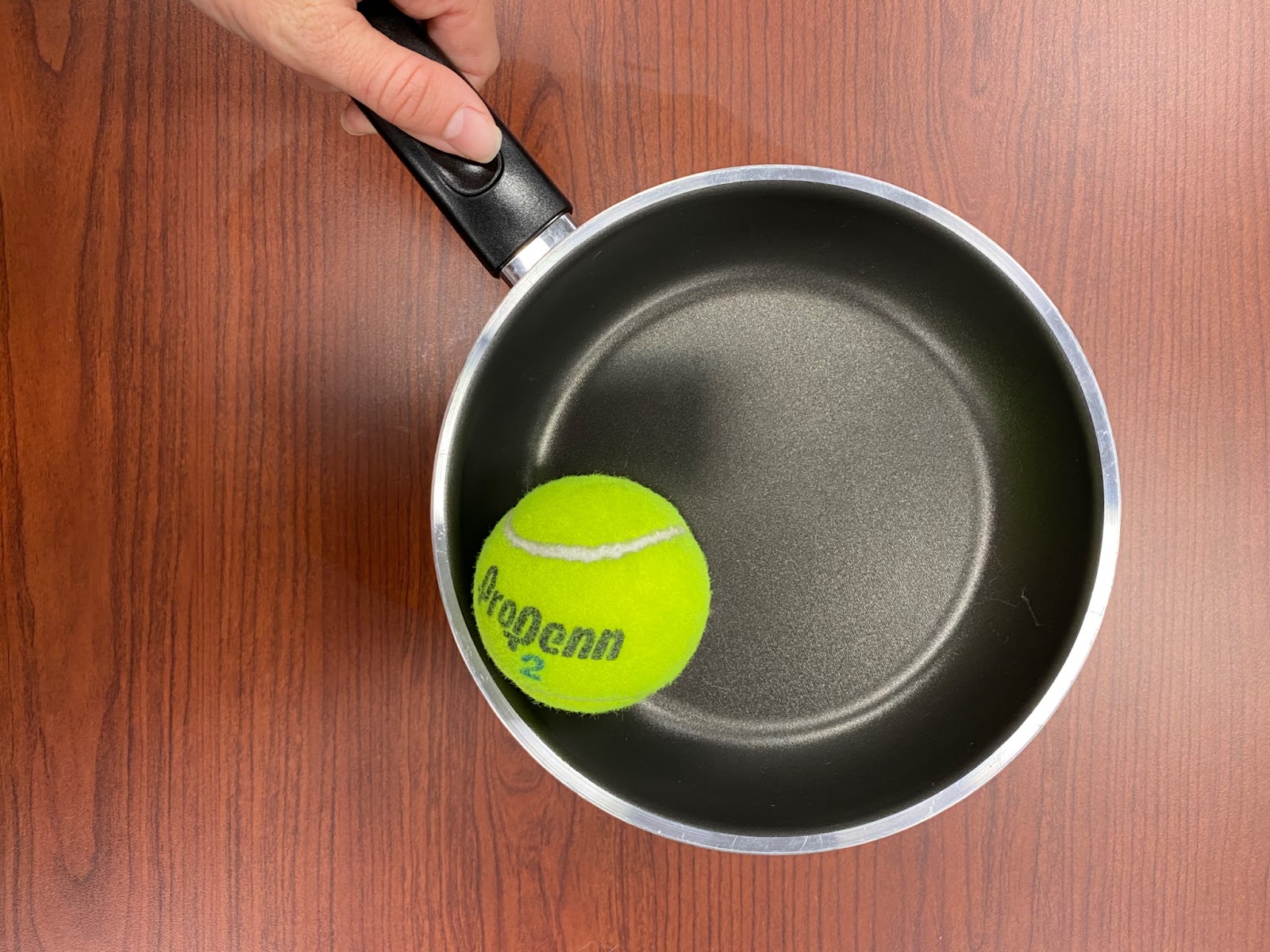
- Ball Balance on Frying Pan: Letting your patient get comfortable with the dynamic load of a frying pan in the clinic can help to improve their strength, wrist stability, and their self-efficacy to go home and put those skills to work. Try having your patient balance a tennis ball or even flip bean bags with a frying pan.
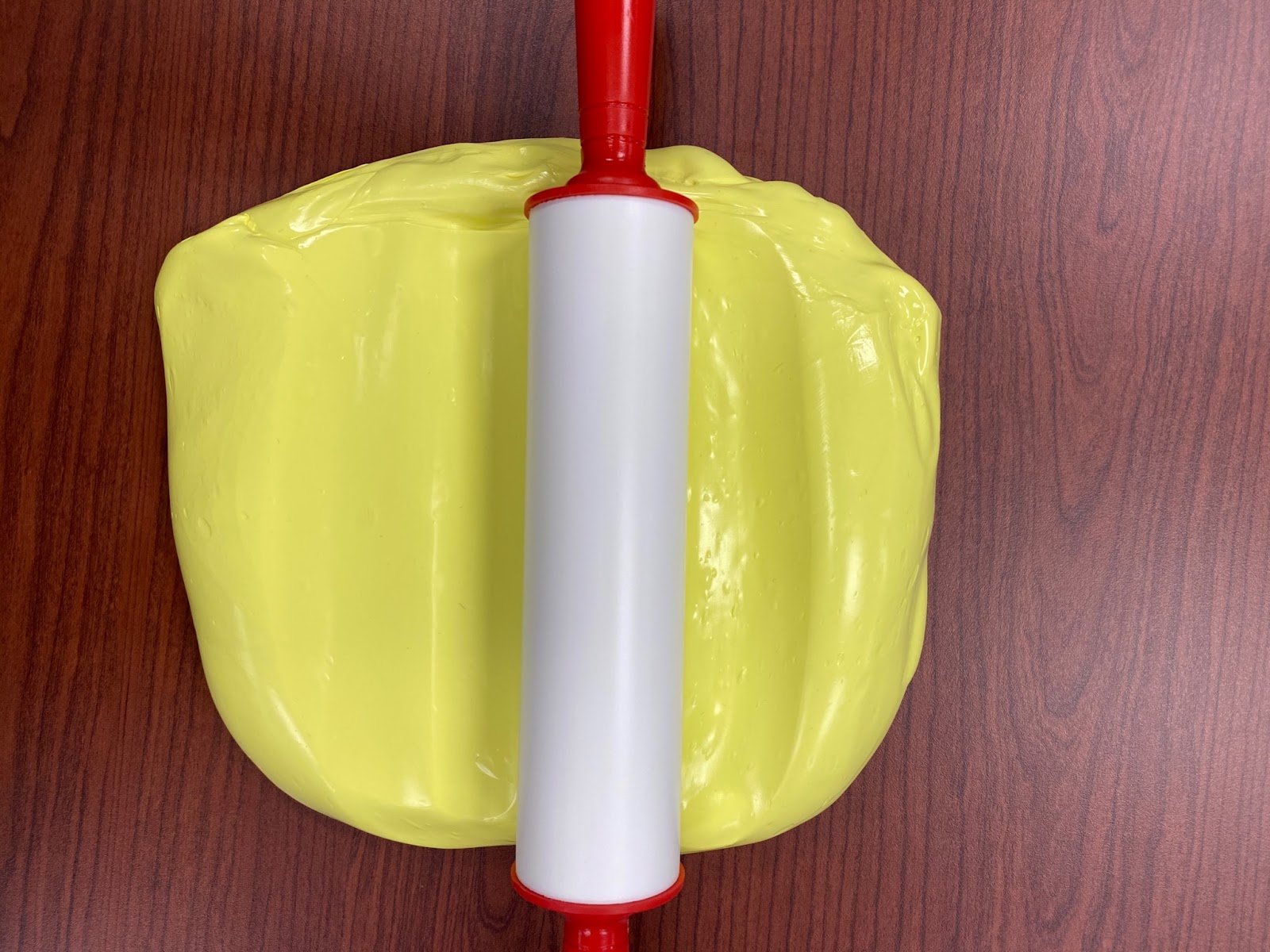
- Putty Rollout with a Rolling Pin: This bilateral task can promote functional grasp and work on wrist mobility into flexion and extension, all while preparing an individual to get back to making their famous sugar cookies again.
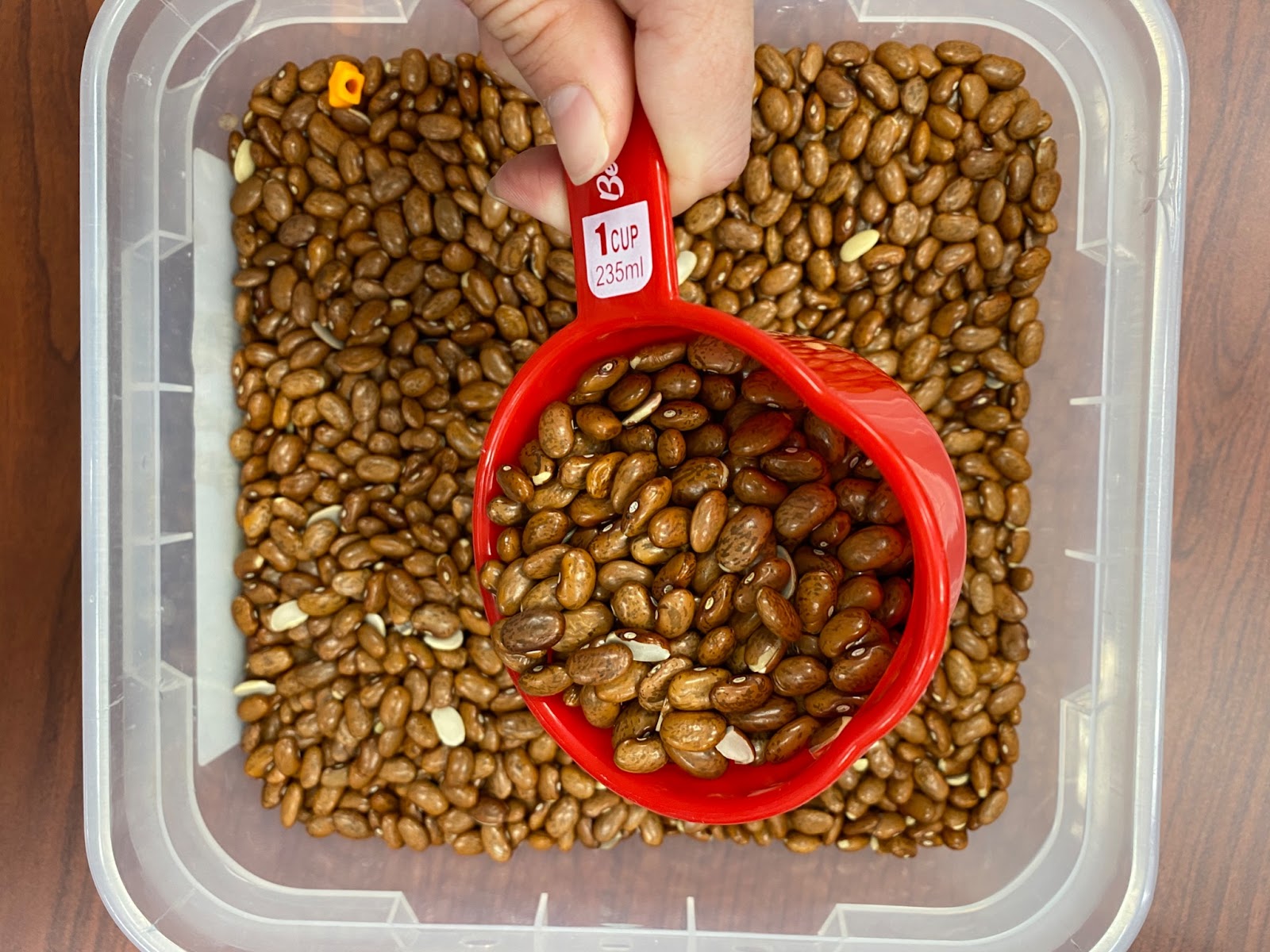
- Bean/Rice Transfer with Measuring Cups: With these simple items you can address forearm rotation with light resistance and functional use of the affected extremity . This activity is easy to simulate. And afterwards, consider hiding some coins in those same beans for another one of our favorites- a coin find!
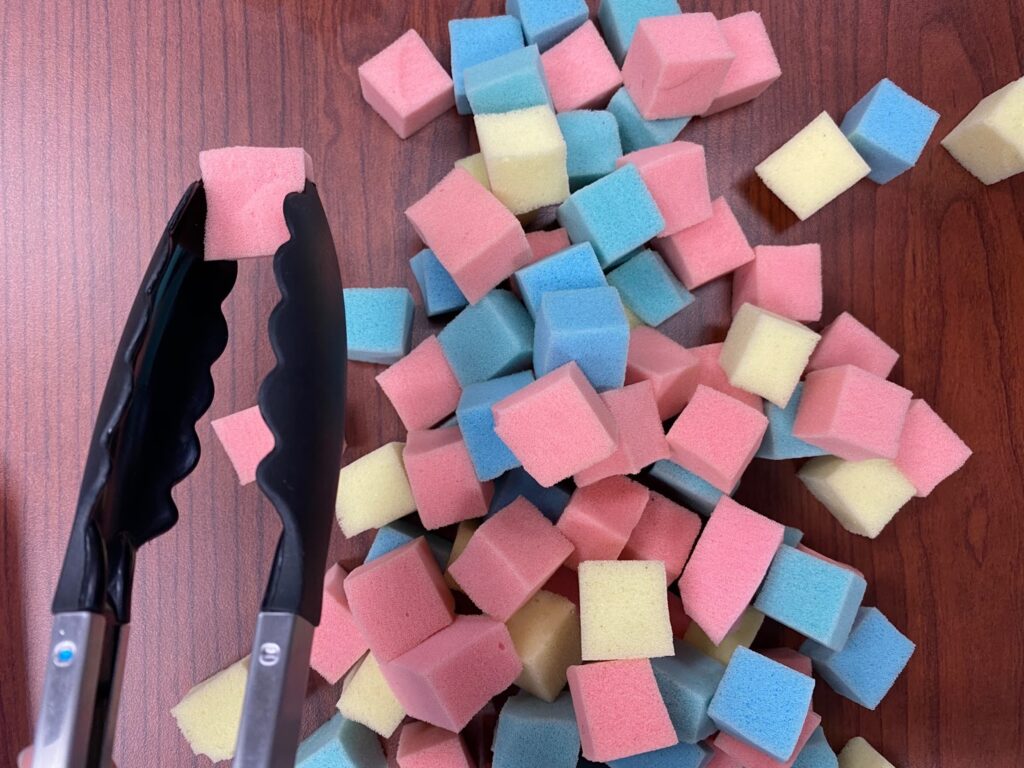
- Tong transfer: You can incorporate tongs into so many different ‘transfer’ activities. We like to start by doing a simple foam cube transfer. However, if your patient really wants to get back to grilling out again, you might consider having them work up to flipping beanbags. The opportunities are endless, and these utensils are so functional! Another cool thing about tongs: they can address various grasp patterns, including the lumbrical grasp for intrinsic strengthening.
There you have it. 5 activities that can be simple to simulate in a clinic without a kitchen! We hope that these inspired you to keep things occupation-based, client centered, and to get your clients back to cooking!
5 Comments
Leave a Comment
More To Read
Closed Pulley Injuries in Rock Climbers
Mechanism of injury Grades of pulley injury Treatment options for closed rupture Outcome measures Return to climbing Exercise considerations Resources Bollen S. R. (1990). Upper limb injuries in elite rock climbers. Journal of the Royal College of Surgeons of Edinburgh, 35(6 Suppl), S18–S20. Bosco, F., Giustra, F., Lusso, A., Faccenda, C., Artiaco, S., & Massè, A. (2022).…
Orthotic Options for Hand Burns
By: Sophia Grimm Hand burns can be very challenging to treat, and successful rehabilitation begins early after acute injury. Following a burn injury, scar contractures are the primary reason for the deformity of the hand. Therefore, proper orthotic intervention is key to preventing joint and ligament contractures (Kelly, Berenz & Williams, 2019). Splinting goals following…
3 Household Objects for 9 different Hand Therapy Activities
Do you struggle to develop new treatment ideas or even ideas for your virtual hand therapy visits? Thinking of unique ways to use objects your clients have in their homes can be half the battle. This blog post presents 3 different ways to use 3 everyday items. Item number 1: A tennis ball (hand therapy…
Which is better for DeQuervain’s: Splinting or Injection?
Rapid Review Cavaleri, R., Schabrun, S. M., Te, M., & Chipchase, L. S. (2016). Hand therapy versus corticosteroid injections in de Quervain’s disease treatment: A systematic review and meta-analysis. Journal of hand therapy: official journal of the American Society of Hand Therapists, 29(1), 3–11. https://doi.org/10.1016/j.jht.2015.10.004 The Skinny: DeQuervain’s Tenosynovitis is a stenosing tenosynovial inflammation affecting the…

Sign-up to Get Updates Straight to Your Inbox!
Sign up with us and we will send you regular blog posts on everything hand therapy, notices every time we upload new videos and tutorials, along with handout, protocols, and other useful information.
These are GREAT!! I plan to share with my OT staff. I am fully convinced you can use kitchen activities for many therapeutic interventions that relate to Occupation.
These are awesome ideas! I get stuck in the same rut with theraputty activities, now I can incorporate some ADL training in there as well! Thanks for the ideas!
thank you for wonderful ideas
These are a welcome addition to my repetoir.
That’s great idea. I’ll tell to my wife soon.