

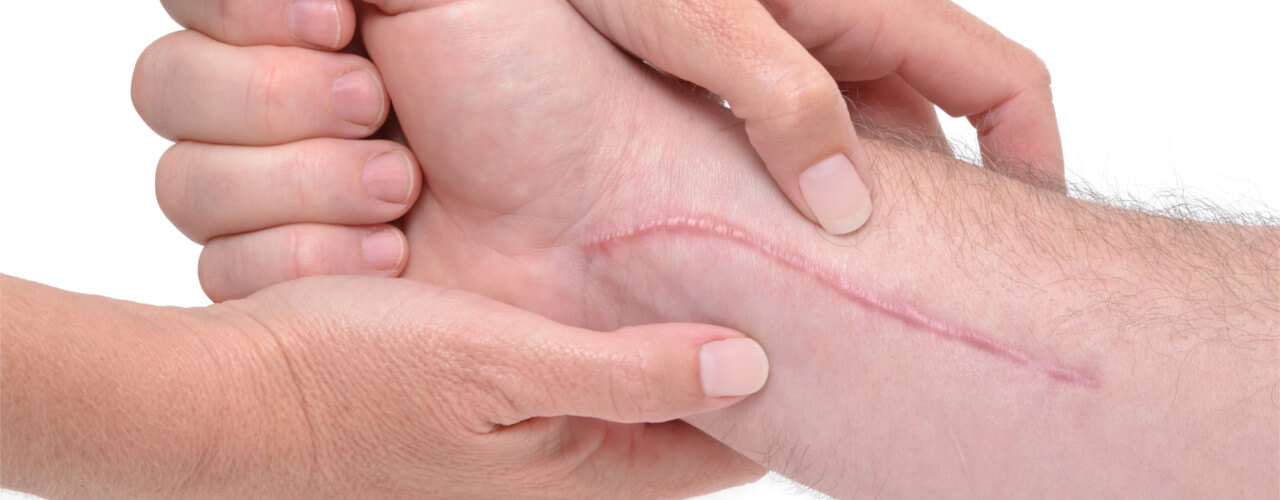
Hand therapists may feel they are in a constant battle with scar tissue. It can limit ROM, cause pain, impede other structures, and leave a less than desirable appearance. Scar tissue starts forming as early as 2 weeks after an injury and can continue forming for up to 2 years. The earlier action is taken to minimize scar, the better the outcomes will be for your patient. Here are some of our evidence informed techniques used in scar management hand therapy to remodel scar, realign collagen, optimize appearance and increase tissue extensibility.
Our strategies fall under 3 categories:
- Neutral Warmth and Moisture:
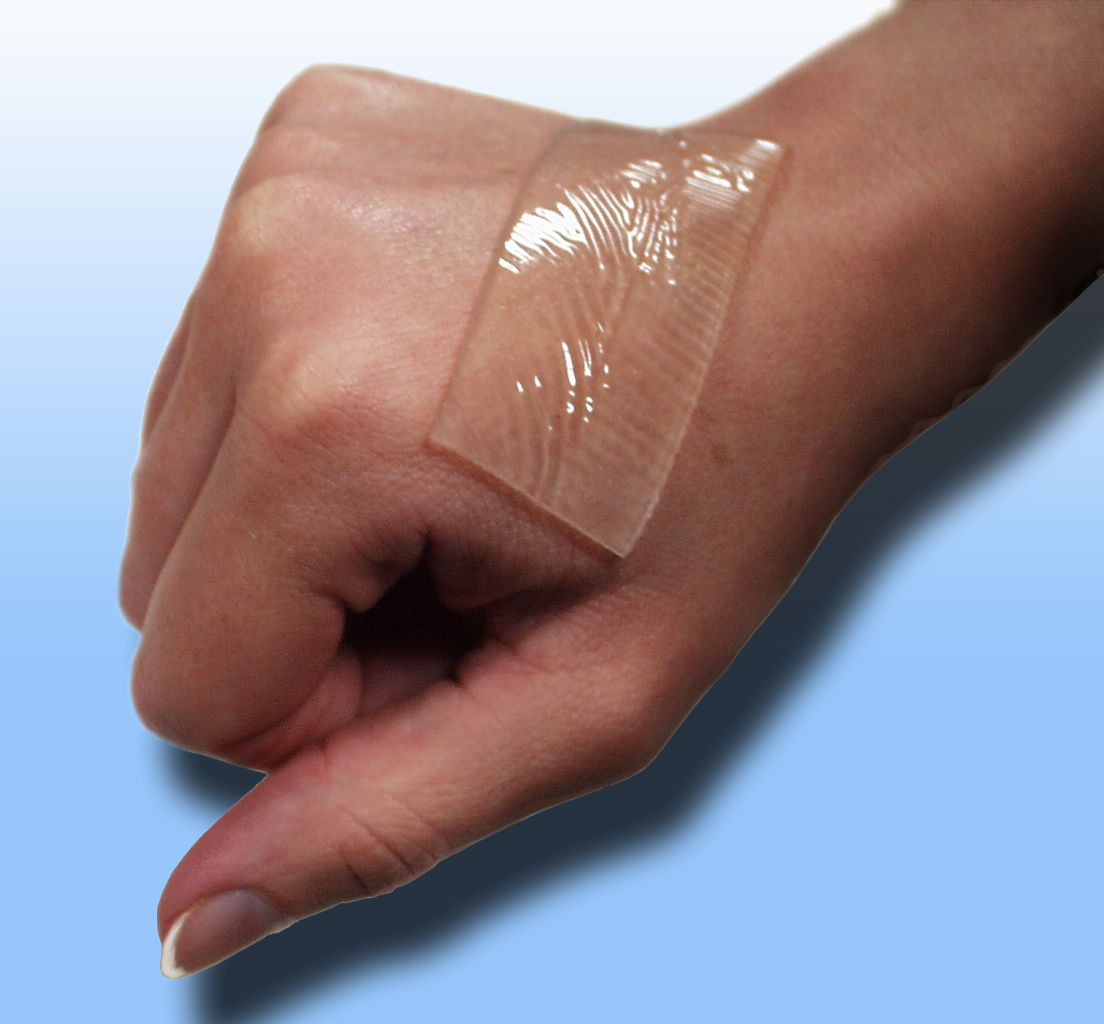
- Silicone Gel Sheets
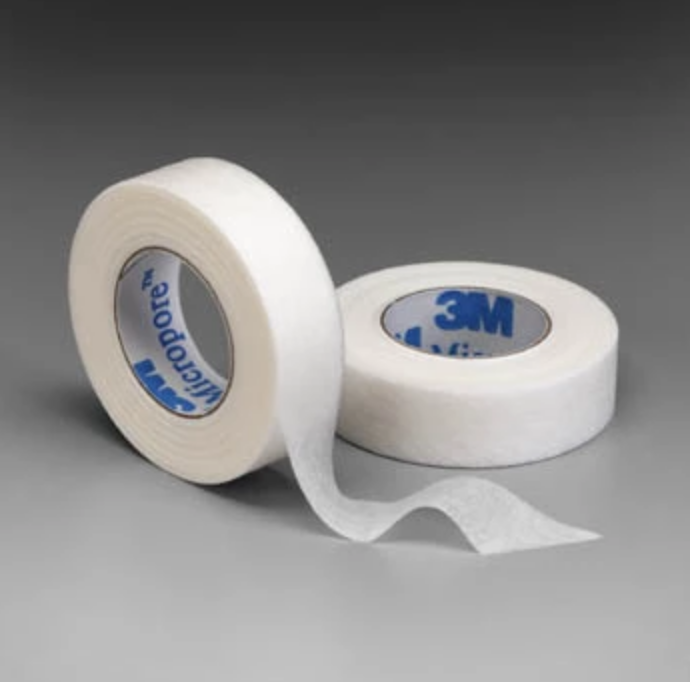
- Paper Tape
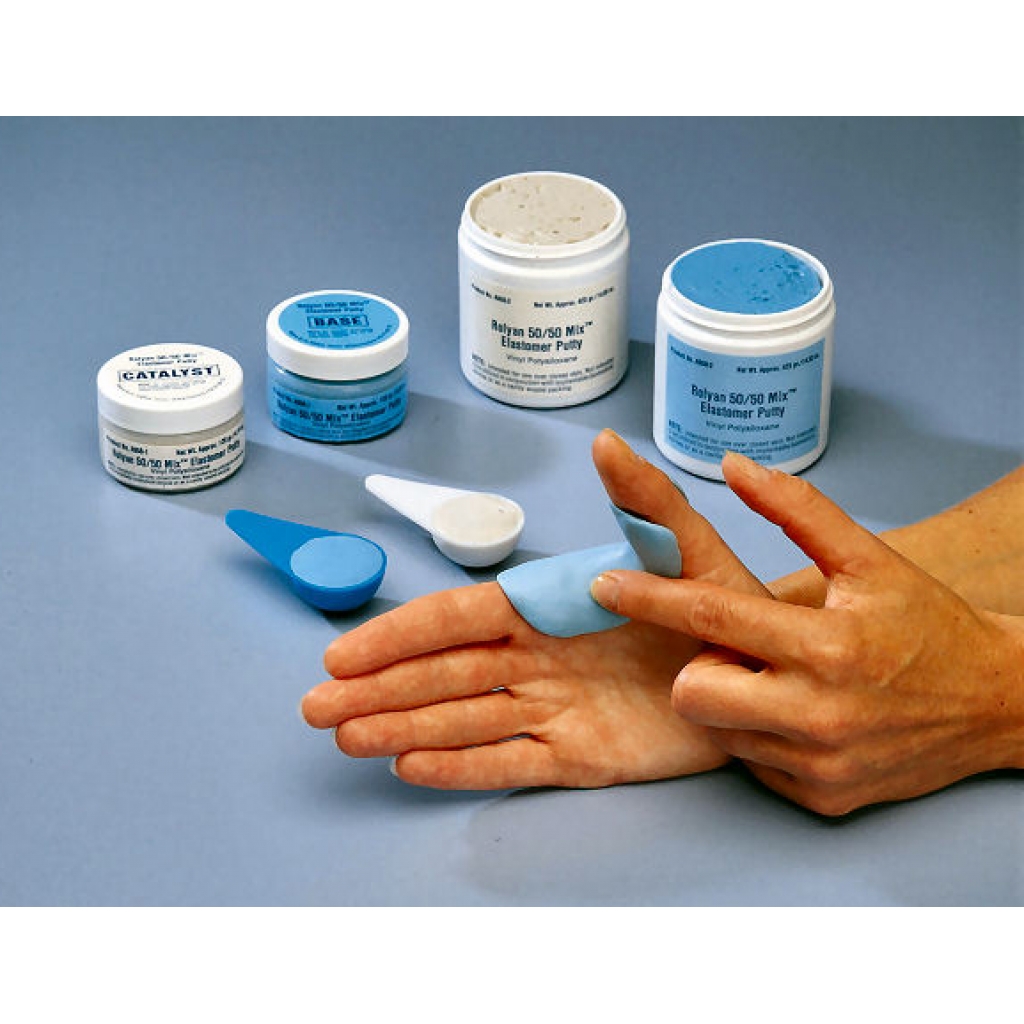
- Elastomer
Silicone gel sheets are at the front lines of our battle with scar tissue. This tool helps keep the skin stay hydrated and can reduce capillary activity, collagen deposition and hyperemia. This discourages growth and can improve the overall appearance of scar tissue. Paper tape also has evidence that it has comparable outcomes to silicone gel sheets and is a less expensive alternative. These tools can be placed between the skin and an orthosis to keep it in place, aiding in patient compliance and applying constant pressure to the scar. We recommend applying these materials to scar 12 hours a day.
- Mechanical Break up
- Massage
- IASTM
- Vibration
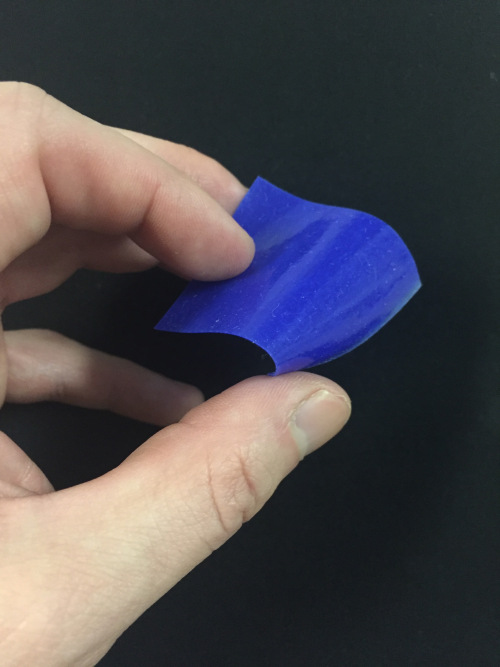
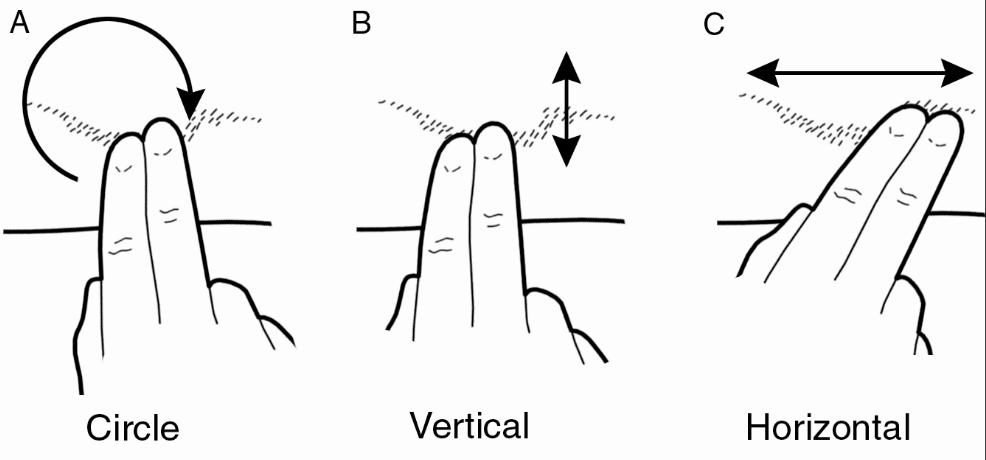
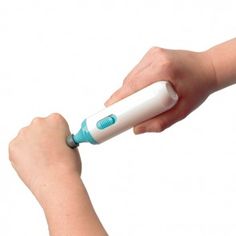
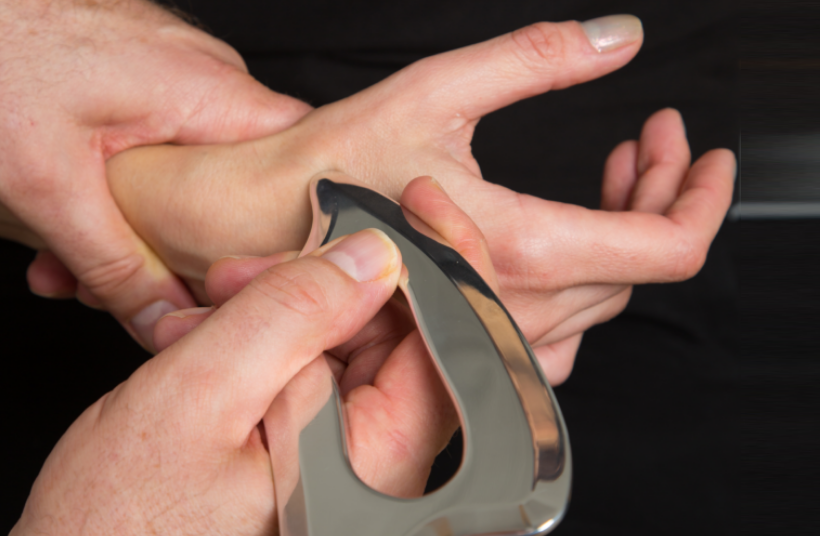
Scar massage should begin after sutures have been removed and there are no visible scabs at the site of injury. Mechanical methods should be delayed until the scar is stable and there is no risk for re-opening the wound or destabilizing the scar line. Massaging the scar in all directions is useful if the pressure applied is enough to cause blanching of the scar. A small piece of Dycem can be useful to grip the surface layer and separate it from underlying tissues (dycem for scar tissue). IASTM is a great way to break up fascial adhesions and saves wear and tear on the therapist’s joints. Vibration is a soothing way to move scar tissue and help reduce pain in a sensitive scar. Massage the scar 2-3 times a day for 10 minutes, for at least 6 months.
- Decrease blood flow
- Compression garments
- Elastomer
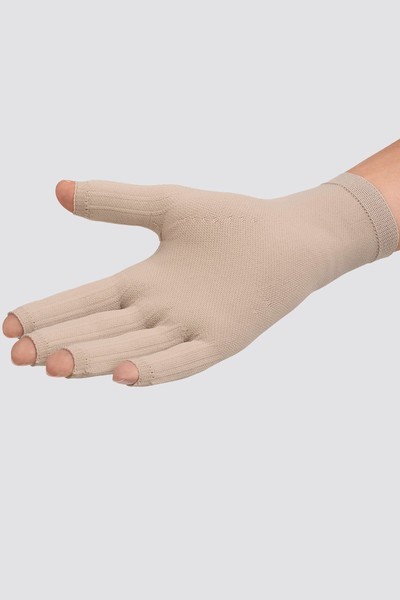
Elastomer scar management: elastomer helps keep the skin hydrated and can reduce capillary activity, collagen deposition and hyperemia. This discourages growth and can improve the overall appearance of scar tissue. Compression garments discourage blood flow to the area, reducing the amount of oxygen available and limiting further collagen deposition.
Other Tips
Desensitization: For sensitive scars we use scar desensitization kits that consist of scrap pieces of material with different textures on them to rub on scar tissue. Putting lots of sensory input to a scar can help reduce its sensitivity.
Cupping: We use cupping sparingly as it can be rough or painful to some patients, and may cause excessive bruising if they are taking blood thinners.
AROM: Motion is essential to keeping skin pliable, especially across joints. Continued movement also prevents surface scar from adhering to deeper structures. Creams?: You may see a lot of creams for scar available but we actually don’t recommend creams as the evidence is still inconclusive. There is some evidence, however, that vitamin E and aloe vera may have a positive effect on scar tissue.
7 Comments
Leave a Comment
More To Read
Scapholunate Wrist Injuries in Hand Therapy
Scapholunate Wrist Injuries in Hand Therapy In outpatient hand therapy, we get a variety of referrals ranging from post-operative patients to those looking to avoid or prolong surgery. These referrals come from a variety of sources ranging from primary care doctors to experienced hand surgeons. The therapy orders can be vague to very specific. …

Soft Tissue Healing in Pediatrics
By: Chelsea Gonzalez Why do pediatric clients often not require as much hand therapy for soft tissue injuries when compared to adults? The simple answer: Kids have very elastic soft tissue, which can return to its original shape and position after stretch. This elasticity is lost with time as collagen fibers expand and their internal…
How Weather Changes Affect Joint Pain
By: Lucas Godwin How Weather Changes Affect Joint Pain Numerous potential factors can cause weather-related joint pain, including humidity, temperature, precipitation, and changes in barometric pressure. Scientists have performed many studies on joint pain and weather over the years, but so far, none can say for sure what the connection is. Timmermans et al., 2015…
The Importance of Purposeful Activities Following Surgical Repair of a Distal RadiusFracture
By: Kelsey Melton Collis, J. M., Mayland, E. C., Wright-St Clair, V., Rashid, U., Kayes, N., & Signal, N.(2022). An evaluation of wrist and forearm movement during purposeful activities andrange of movement exercises after surgical repair of a distal radius fracture: A randomizedcrossover study. Journal of Hand Therapy. https://doi.org/10.1016/j.jht.2022.07.009 The Skinny: This randomized crossover study…

Sign-up to Get Updates Straight to Your Inbox!
Sign up with us and we will send you regular blog posts on everything hand therapy, notices every time we upload new videos and tutorials, along with handout, protocols, and other useful information.
Please, can you explain how we should apply the paper tape? Thanks.
I’ve been a therapist for over 40 years and I have used all of the above . But I
Have found using the dolphin neurostim from acumed has been an great addition to my treatment options.
I would love to hear more about how you use it for scar tissue release and if you have any tips. I have a patient with heavy deep scarring in the palm.
Mainly for pain or scarring?
Great review!
Thanks so much! This review was direct and to the point. I appreciate your time and effort.
Excellent confirmation of treatment strategies and efficacy. Thank you!