

What is the difference between therapeutic exercise vs therapeutic activity?
Therapeutic exercise is billed as 97110 and Therapeutic activity is billed as 97530. Both are CPT codes that are commonly used in occupational and physical therapy billing.
These codes are very similar and are often confused. So, when and what do you document for each of these codes?

The therapeutic exercise code is not considered a dynamic code. It typically involves looking only at one parameter being measured such as active range of motion, prom, a/arom, endurance or strength. All of these are separate activities and therefore billed under therapeutic exercise.
Therapeutic activity typically is considered a dynamic activity and usually looks at multiple parameters, these could even be functional parameters. It is typically used when you are looking at range of motion and strength, or range of motion and endurance, etc.
For example, if you were having a patient use Puttycise tools this would be looking at range of motion as well as strength, therefore would be billed under Therapeutic Activity. Pushing a cart or cooking would be considered therapeutic activity as well. Therapeutic activities typically are real life movements or simulated activities of real life.
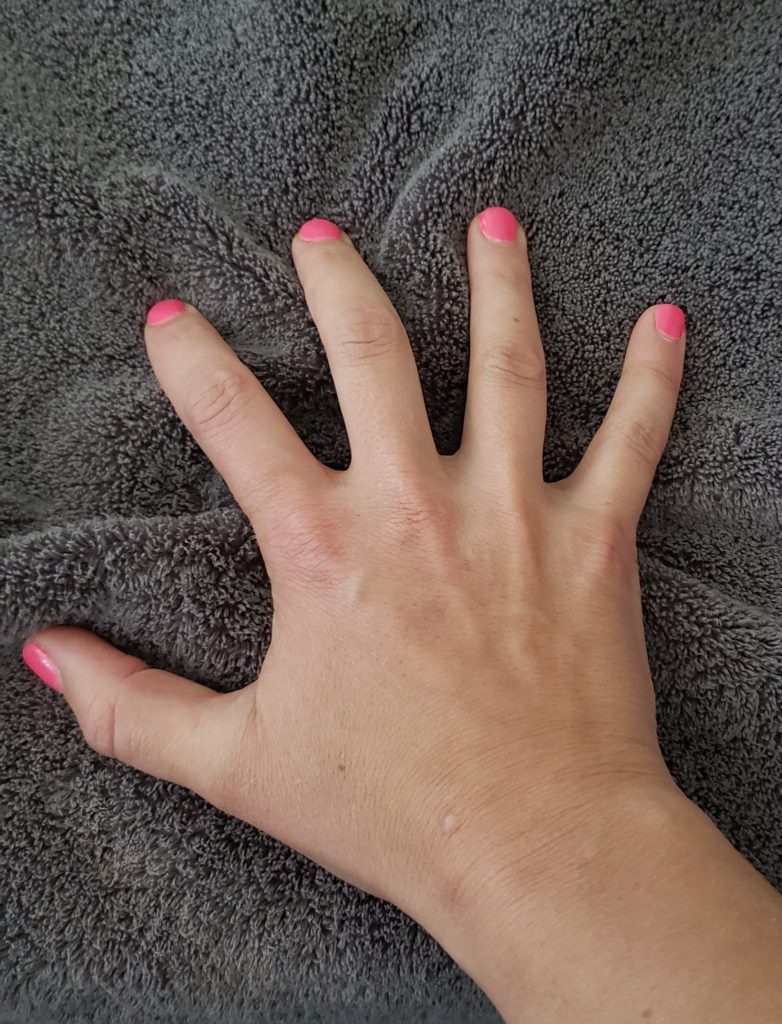
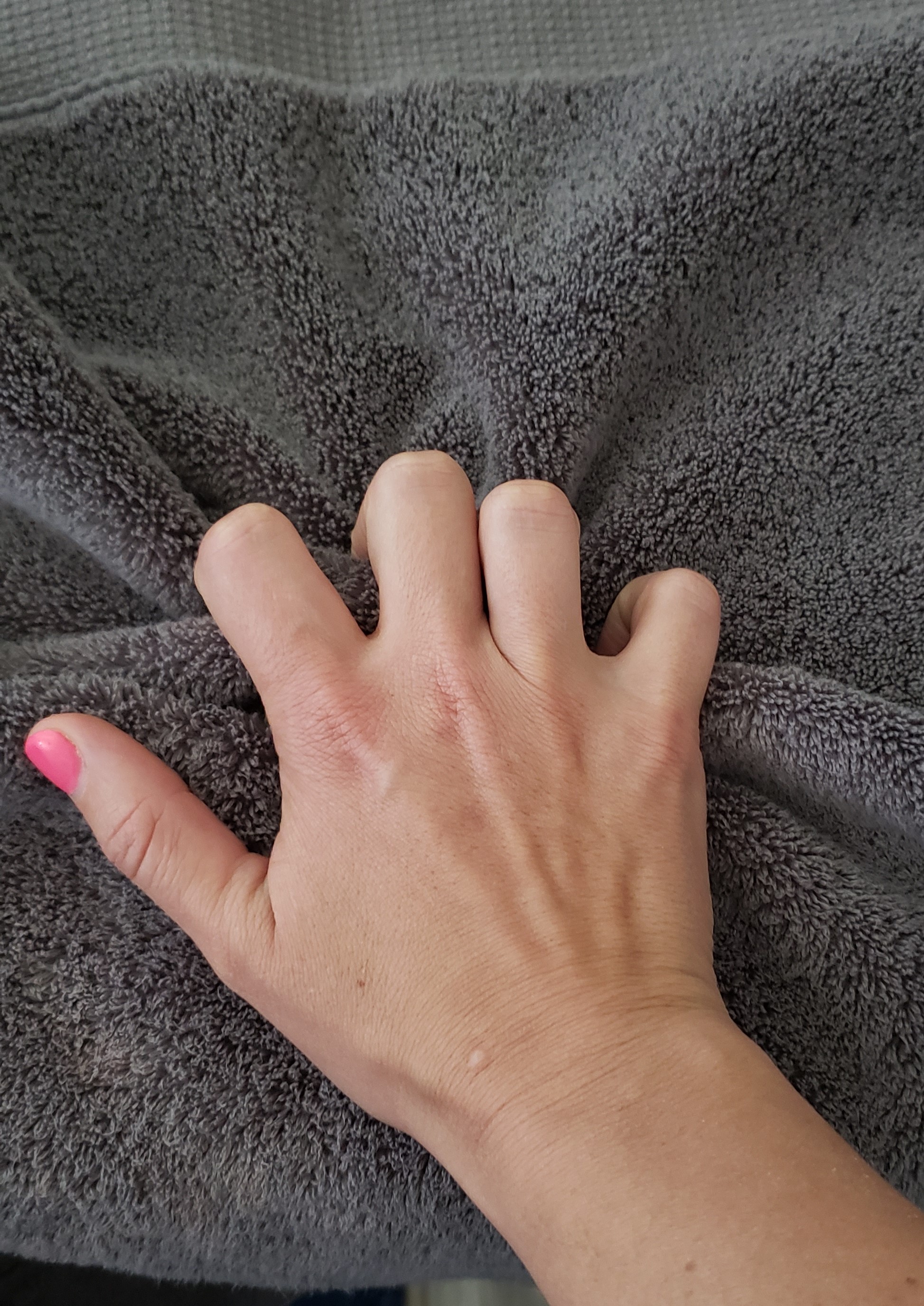
You can often think of Therapeutic Exercise as being the building block for Therapeutic Activity. For instance, if you are working with a patient with a tendon laceration initially you may be having the patient perform gentle short arc range of motion, once the patient has progressed and can safely perform towel walking with light resistance, now the movement is therapeutic activity, as a second parameter has been added to the first.
Questions, please shoot us a quick note on ‘therapeutic activity vs exercise‘ topic! Thanks for reading.
3 Comments
Leave a Comment
More To Read
A Fun Fact from a Hand Therapy Student
By: Ammie Ingwaldson Level 2 Fieldwork at a hand therapy clinic is a fast paced and continuous learning experience. The perfect example of this occurred last week while observing a therapist provide a client with their home CMC arthritis program. The therapist was educating the client on how to oppose their thumb to their small…

Soft Tissue Healing in Pediatrics
By: Chelsea Gonzalez Why do pediatric clients often not require as much hand therapy for soft tissue injuries when compared to adults? The simple answer: Kids have very elastic soft tissue, which can return to its original shape and position after stretch. This elasticity is lost with time as collagen fibers expand and their internal…
How to Improve Fine Motor Translation Skills
By: Josh MacDonald The Basics – I lay a pile of small objects on the table and an open container for the client to put them into. What object I use depends on the client’s level. We’ll get to that later. Then, they use a 2-point pincer grasp to pick up one and shift it…

Risk Factors for Complex Regional Pain Syndrome (CRPS) in Patients with Hand Trauma
Hand Trauma and CRPS in patients attending Hand Therapy By Tristany Hightower Savaş, S., İnal, E. E., Yavuz, D. D., Uslusoy, F., Altuntaş, S. H., & Aydın, M. A. (2018). Risk factors for complex regional pain syndrome in patients with surgically treated traumatic injuries attending hand therapy. Journal of Hand Therapy, 31(2), 250–254. https://doi.org/10.1016/j.jht.2017.03.007 The…

Sign-up to Get Updates Straight to Your Inbox!
Sign up with us and we will send you regular blog posts on everything hand therapy, notices every time we upload new videos and tutorials, along with handout, protocols, and other useful information.
Nice blog
Thank you!! There will be more to come!
Simple direct explanation!! I’m adding this to my student handbook for my fieldwork students